The Unstable Peace (1919‑1939)
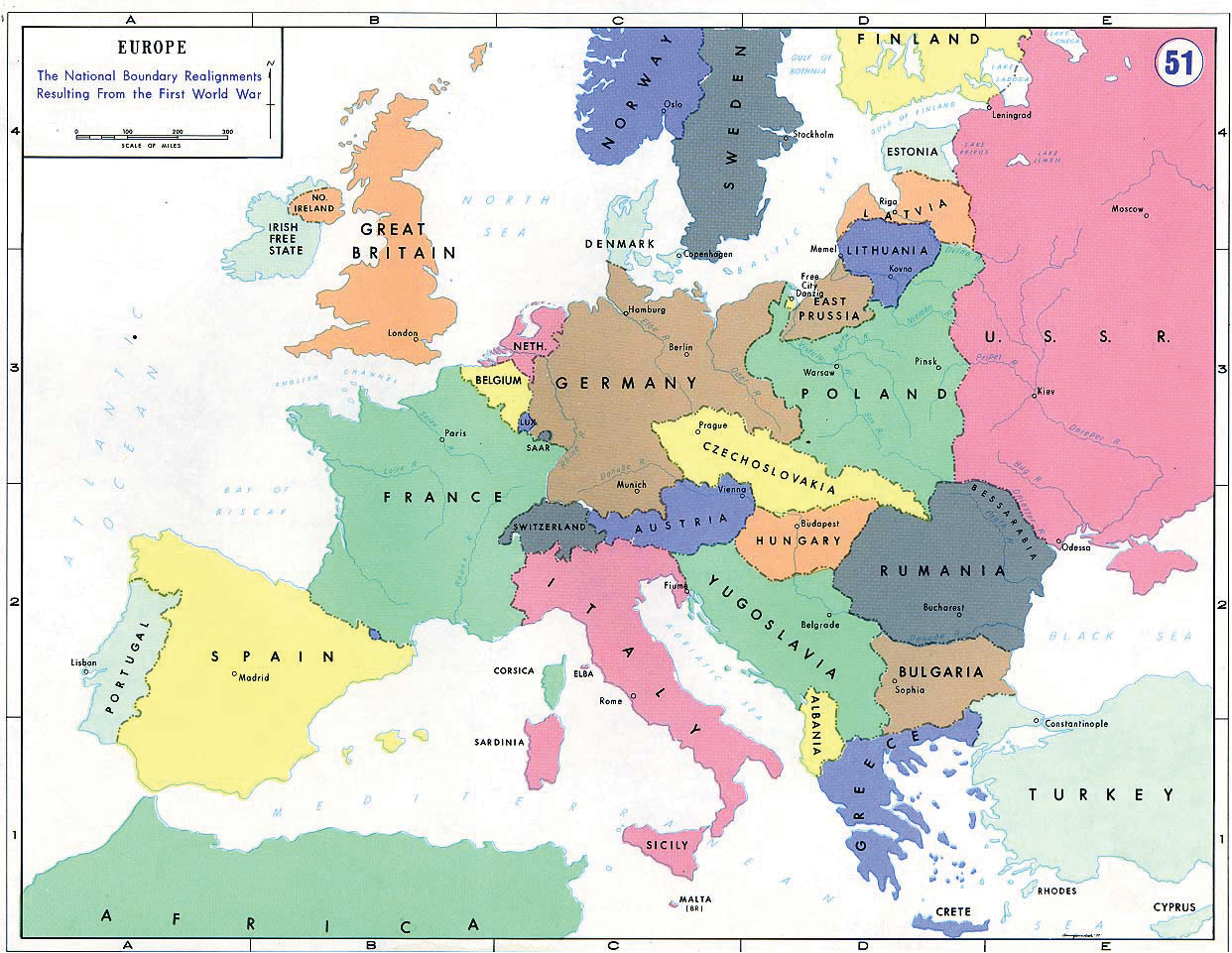
The Treaty of Versailles ended World War I but imposed harsh penalties on Germany: massive reparations, military restrictions, and the War Guilt Clause.2 These terms created deep economic and political resentment.
The Great Depression (1929‑1939) caused global unemployment and poverty. In Germany, economic collapse helped extremist parties rise to power.3 In Japan, military leaders gained control by promising to solve resource shortages through expansion.4
Fascism spread in Italy under Mussolini. Hitler’s Nazi Party exploited fears of communism and national humiliation. By 1933, Hitler became Chancellor and began rebuilding German military power.5
The League of Nations, created to prevent future wars, lacked enforcement power. It failed to stop Japanese invasion of Manchuria (1931) or Italian invasion of Ethiopia (1935). This weakness encouraged further aggression.6